Washington’s strained relationship with Canada threatens its efforts to reduce reliance on Chinese critical minerals. Former U.S. sanctions official Edward Fishman stated this Monday at the Mining Forum Americas in Colorado Springs. He warned that the United States cannot achieve this independence without Canadian help.
The U.S. possesses the money and political will to invest in mineral supplies. Developing these resources, however, requires Canadian and Australian mining expertise. Fishman, a senior fellow at the Council on Foreign Relations, emphasized that antagonizing Canada makes reducing dependence on China “virtually impossible.” This situation creates both investment opportunities and uncertainty for miners.
Fishman noted that mining has become central to global competition. China’s mineral-processing industry provides it significant leverage. For instance, China accounted for 91% of global refined rare earth output in 2024, compared to 60% of mined production. Chinese export controls last April disrupted magnet supplies and forced some automakers to cut production.
Canadian miner Centerra Gold offers an example of investment in U.S. industrial supply. The company is restarting its Thompson Creek molybdenum mine in Idaho. This project will supply its Langeloth processing facility in Pennsylvania, with first mine production targeted for mid-2027. Restart capital is estimated at $425 million to $450 million. Hecla Mining CEO Rob Krcmarov also highlighted the investment value of operating in lower-risk countries.
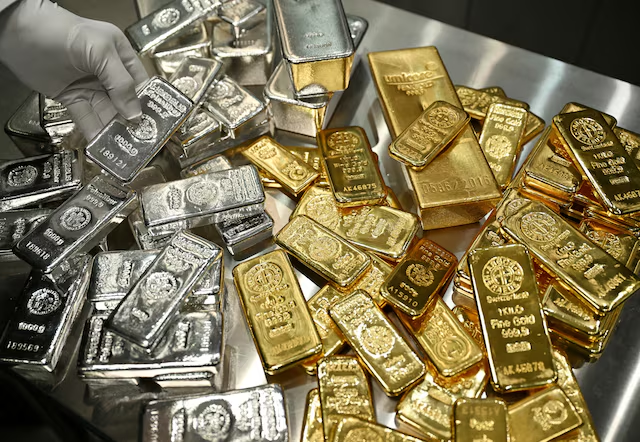
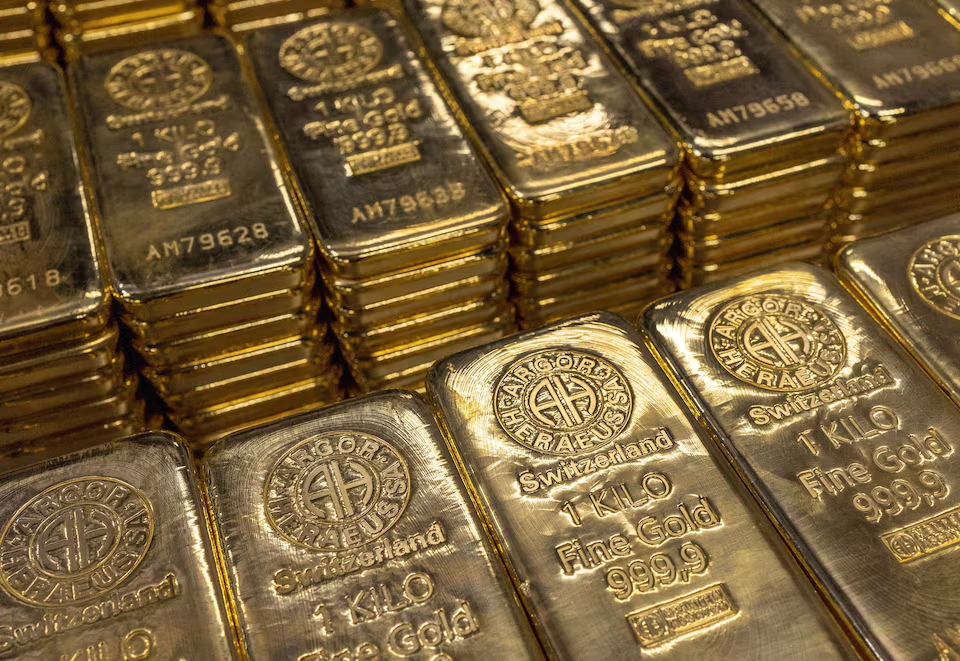
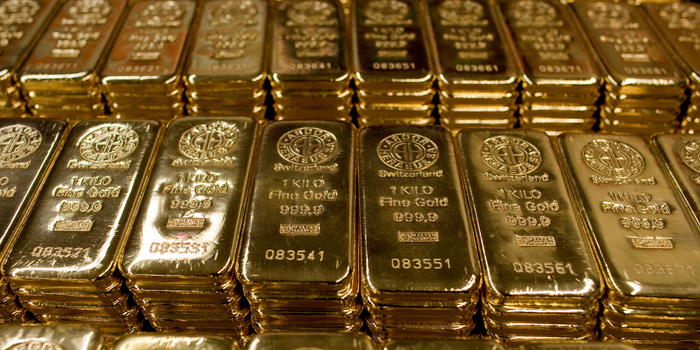
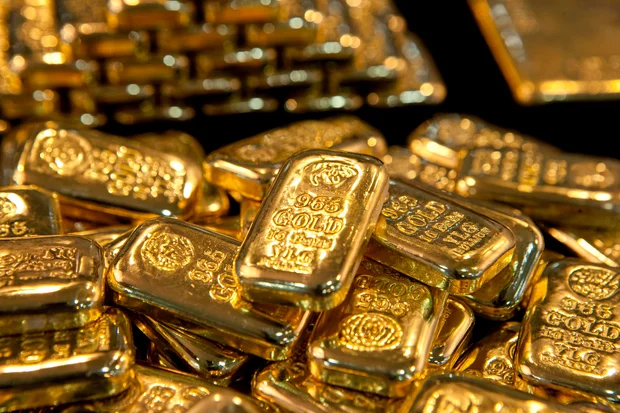
Governments still need to define what secure mineral supply means. Economic confrontation brings risks such as higher energy costs and inflation. It can also benefit miners. Demand for electrification and artificial intelligence supports copper, while financial security concerns encourage central banks to hold gold. Sovereign gold buying may continue for at least another decade.
 22Jan
22Jan


 by
by