Global competition for energy, metals, and agricultural resources is reshaping commodity markets, according to a new report by investment firm Ninety One. Geopolitical conflicts, supply shortages, and rising demand now make access to raw materials as important as capital. This marks a shift from the China-led commodity super cycle of the 2000s, as today’s market faces constrained supply and regional resource security.
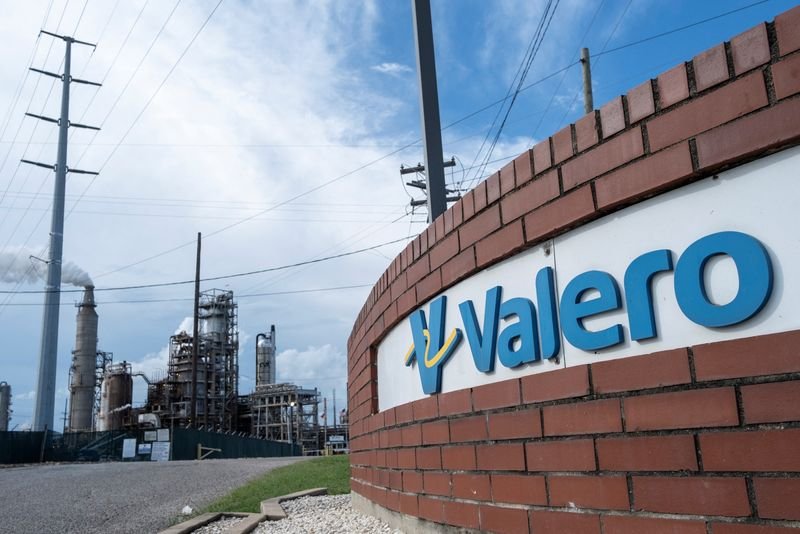
Energy supplies face disruption from conflicts. Global oil inventories fell by approximately one billion barrels since the start of a recent conflict, making fuel more expensive. The US Gulf Coast refining crack for diesel rose to about $45 a barrel, up from a typical price of $20. Tanker costs between the Middle East and Asia climbed to $30 a barrel, a sharp increase from $2 to $3.
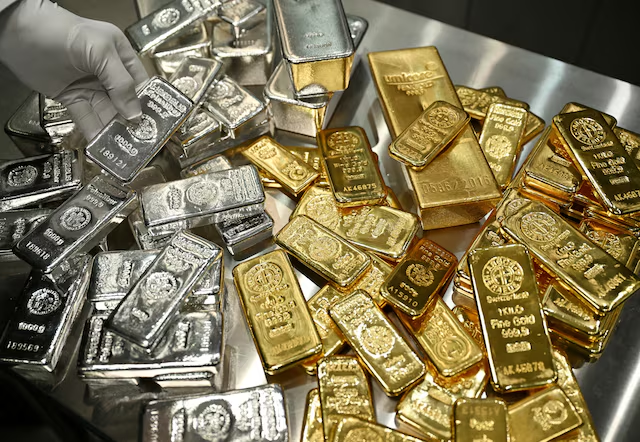
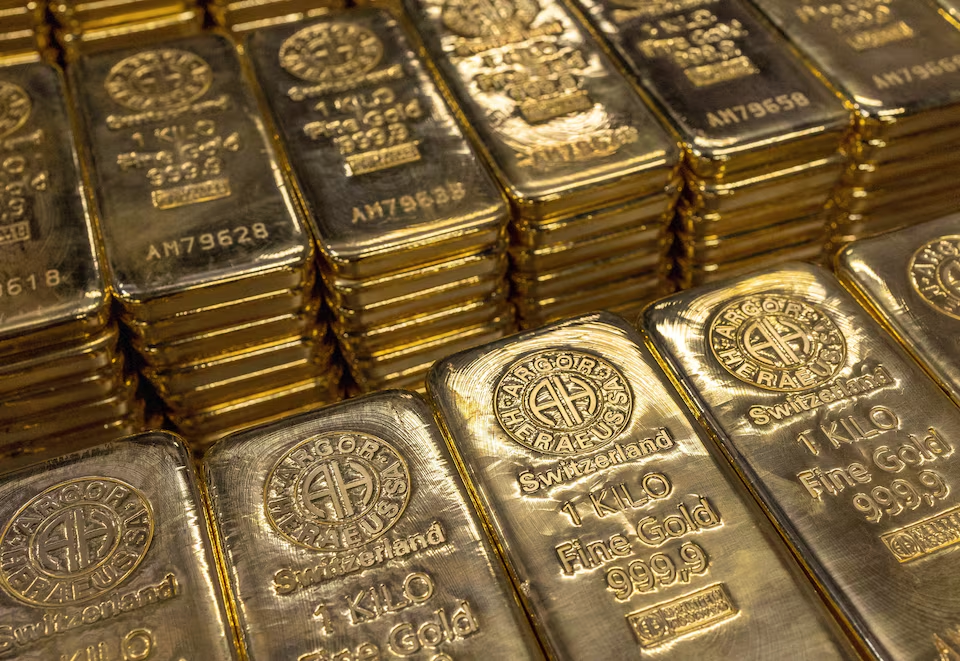
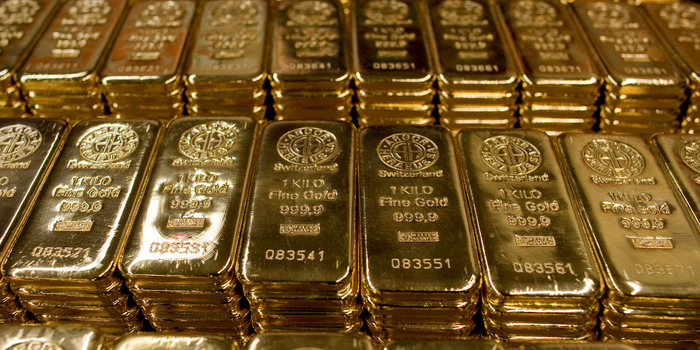
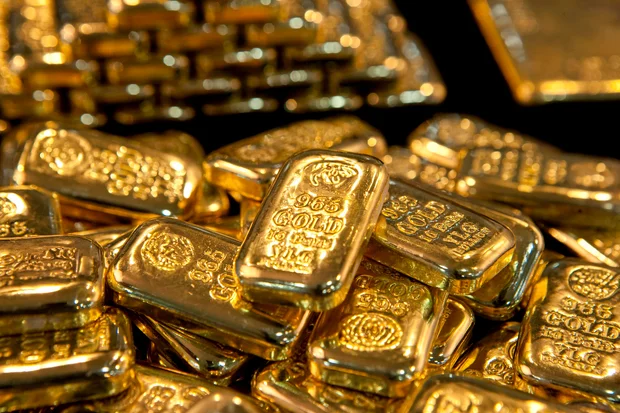
Demand for electricity and infrastructure also impacts metal markets. Copper inventories rose sharply in the US due to tariff uncertainty, even as Chilean production fell to a six-year low. Gold is benefiting as central banks buy more of the precious metal, diversifying reserves amid geopolitical tension. Banks continue purchases even at historically high prices, suggesting a structural shift.
Supply pressures are also extending into agriculture. Higher energy costs, concentrated fertilizer production, and extreme weather pose challenges for global food supplies into 2027. The Middle East is a major supplier of nitrogen fertilizer. Agricultural production could face further strain if fertilizer availability tightens and costs remain elevated.
 22Jan



 by