Geopolitical tensions are pushing investors from government debt into private assets, a shift that could trigger another gold rally, according to market-cycle analyst Martin Armstrong.
This trend differs from the 1929 Great Depression, when money moved from the private to the public sector. Today, capital is flowing into the private sector in America, not public. Armstrong stated that both sectors historically “go to extremes and blow up.”
Europe faces a more severe situation, Armstrong said. Countries are realizing the European Union has failed them. Rising military tensions threaten to increase borrowing costs for European nations.
Armstrong linked rising military tensions to higher interest rates and inflation during wartime. He said bond markets show the “real story.” Gold’s recent weakness is temporary, reflecting a pause in geopolitical fears.
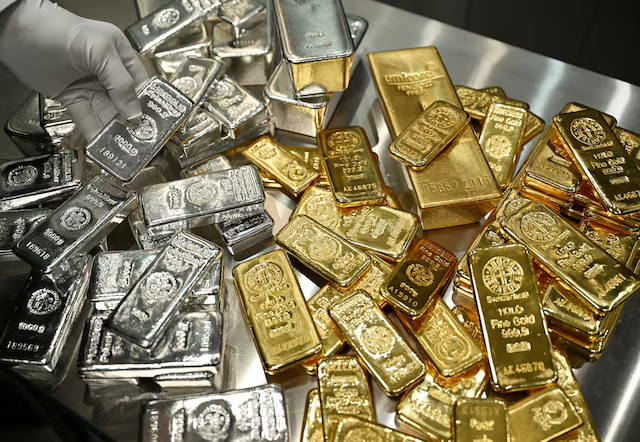
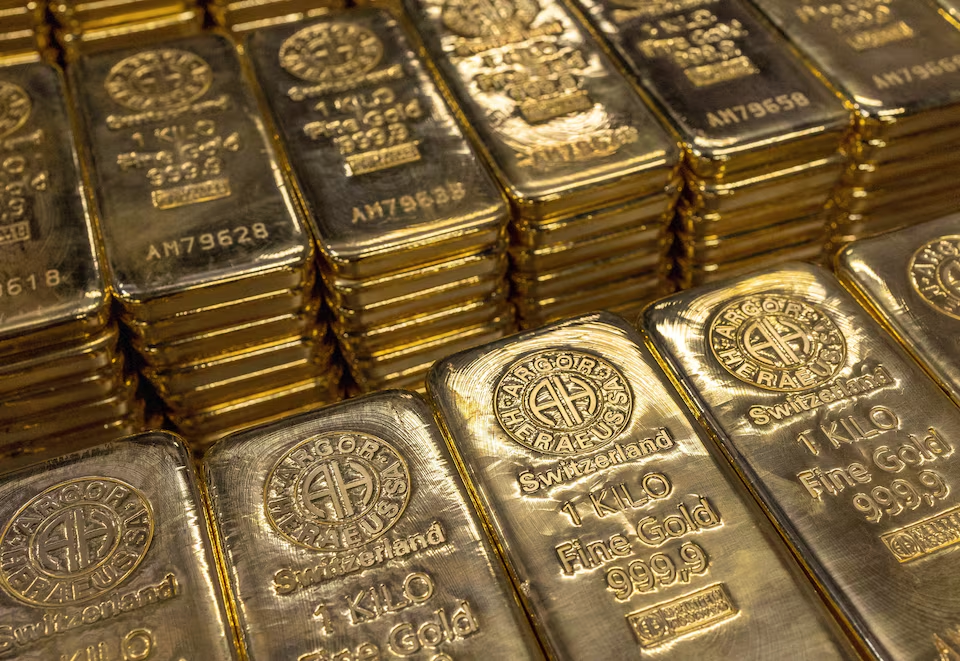
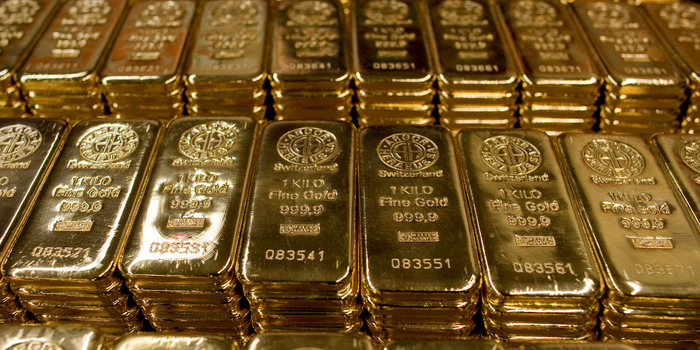
Gold is expected to turn up from the first quarter of next year, as underlying tensions have not subsided, Armstrong said. He predicts capital will accelerate into the private sector, driving gold to rally again. If gold closes below $4,000 on a weekly basis, it could fall to the $3,500 to $3,700 range. Upcoming elections in the US, Israel, and Ukraine add to global geopolitical risk.
 22Jan



 by