

Kuwait's Subsidy Spending Shifts Focus in 2025
Background
Kuwait's government spending on subsidies saw a notable reduction during the first eleven months of 2025. Data from the Ministry of Trade and Industry indicates the total subsidy bill for eligible recipients reached approximately KD 309.43 million. This represents a 7.7 percent decrease from the KD 335.19 million recorded in the same period of 2024, reflecting a KD 25.75 million decline.
Market Context
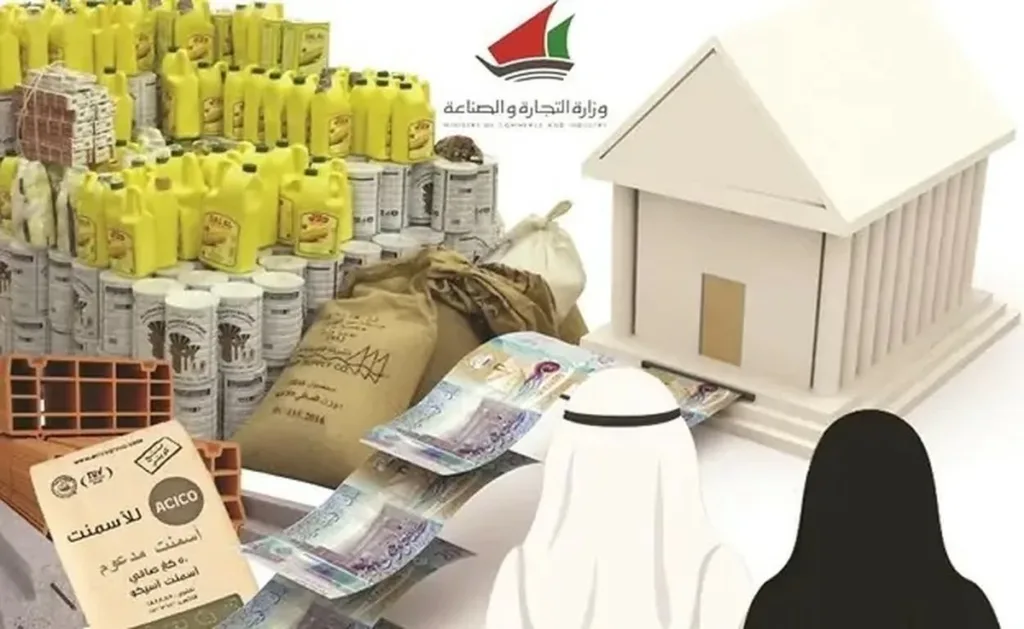
Despite the overall reduction, a significant shift in spending priorities is evident. Construction materials continued to receive the largest portion of support, accounting for KD 158.22 million, or 51.13 percent of the total. However, this category experienced a substantial 17.3 percent annual decrease from KD 191.43 million.
Local Relevance
Conversely, direct food support for basic commodities increased. This segment rose by 4.6 percent to KD 135.57 million from KD 129.566 million, elevating its share of total support to 43.81 percent. Subsidies for milk and baby food also saw a 10.2 percent increase, reaching KD 15.63 million and comprising around 5 percent of the overall expenditure.
Outlook
The number of accumulated ration cards grew to 274,190 by November 2025, up 2.07 percent from 268,620 in 2024. Consequently, the total number of beneficiaries expanded to approximately 2.33 million people, an increase of 3.4 percent. This suggests that while overall spending decreased, the government continued to support a growing population base.
This trend in subsidy adjustments aligns with broader fiscal policy discussions across the GCC, where governments balance social welfare commitments with long-term economic sustainability. Strategic recalibrations of subsidies can influence market dynamics, consumer spending patterns, and the investment climate. For Kuwait, managing these expenditures is crucial for budget stability and economic planning.
For Kuwaiti investors and businesses, these policy shifts can signal evolving market opportunities, particularly in the retail food sector, which benefits from increased direct support. Understanding the government's commitment to citizen welfare through targeted subsidies remains vital for assessing the local economic landscape and future investment prospects. The coming months will reveal if these spending patterns continue, shaping Kuwait's fiscal trajectory and its impact on the wider economy.

 by
by 


