

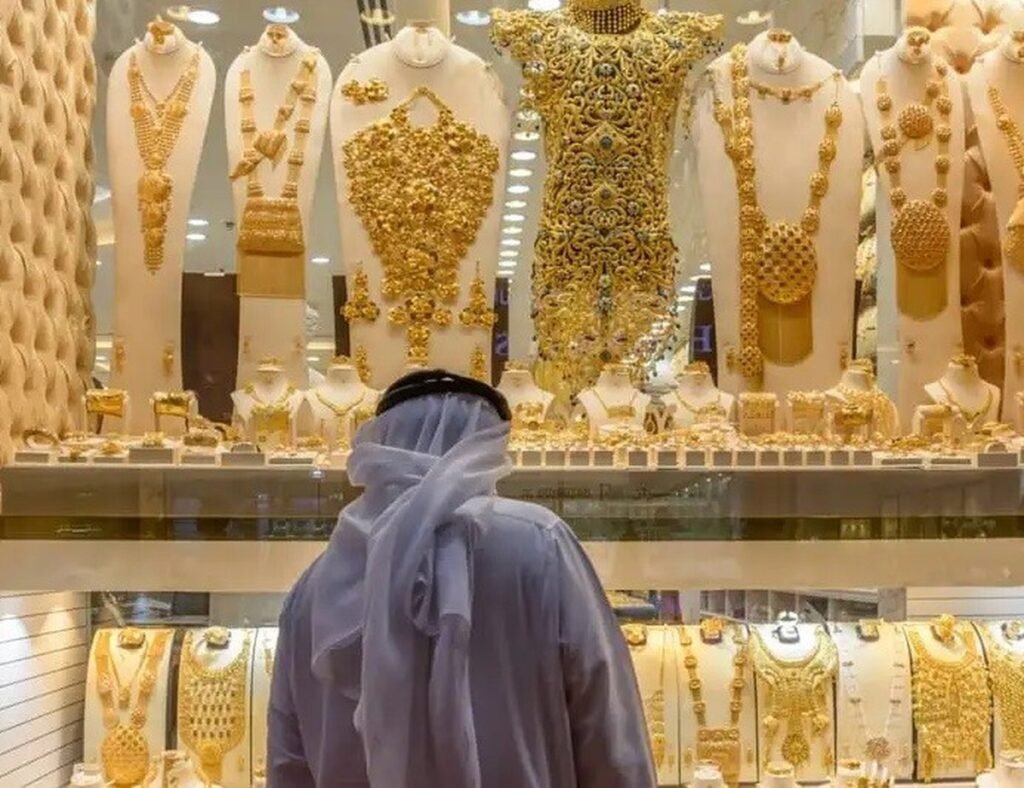
Gold Surges on Rate Cut Hopes, GCC Investors Eye Future
Background
Gold prices witnessed a significant ascent, reaching $4,218 per ounce at the close of last week's trading. This surge was primarily fueled by growing market anticipation of a potential interest rate reduction by the US Federal Reserve in December. The movement underscores gold’s traditional role as a safe-haven asset during periods of monetary policy shifts.
Market Context
A report from Kuwaiti firm Dar Al-Sabaik highlighted that despite limited economic data releases, gold gained over one percent. This performance reflects strong market sentiment towards an anticipated US monetary easing cycle. While producer inflation showed signs of slowing, the labor market, though robust, exhibited early indications of weakening.
Local Relevance
February gold futures further solidified this trend, closing Friday at $4,254 per ounce, marking a notable 3.3 percent weekly increase. However, these elevated prices have tempered demand in some Asian markets, particularly in India, and led to a decline in Chinese demand following the removal of certain tax incentives.
Outlook
Investors are now keenly awaiting crucial US economic indicators, including personal consumption expenditures (PCE) price indices and industrial production figures. Global economic data from major economies like China and Europe, alongside India’s upcoming interest rate decision, will also influence gold’s trajectory.
Analysts at several European banks have revised their gold price targets upwards, projecting $4,500 per ounce by mid-2026. Some foresee a potential climb to $4,900 per ounce if financial and geopolitical risks intensify. These bullish forecasts are supported by sustained central bank purchases, estimated at 950 tons this year, and robust demand for bullion and coins exceeding 300 tons.
For Kuwaiti and GCC investors, gold remains a cornerstone of investment portfolios, valued for its stability and hedge against inflation. Locally, a gram of 24-karat gold reached approximately 41.5 Kuwaiti dinars (USD 127), with 22-karat gold trading around 38 dinars (USD 116). A kilogram of silver was priced at 610 dinars (USD 1,995), reflecting regional market dynamics.
The interplay of US monetary policy, global economic data, and geopolitical developments will continue to shape gold’s path. As central banks worldwide navigate inflation and growth, the precious metal’s appeal as a strategic investment is likely to persist across GCC markets.

 by
by 


