

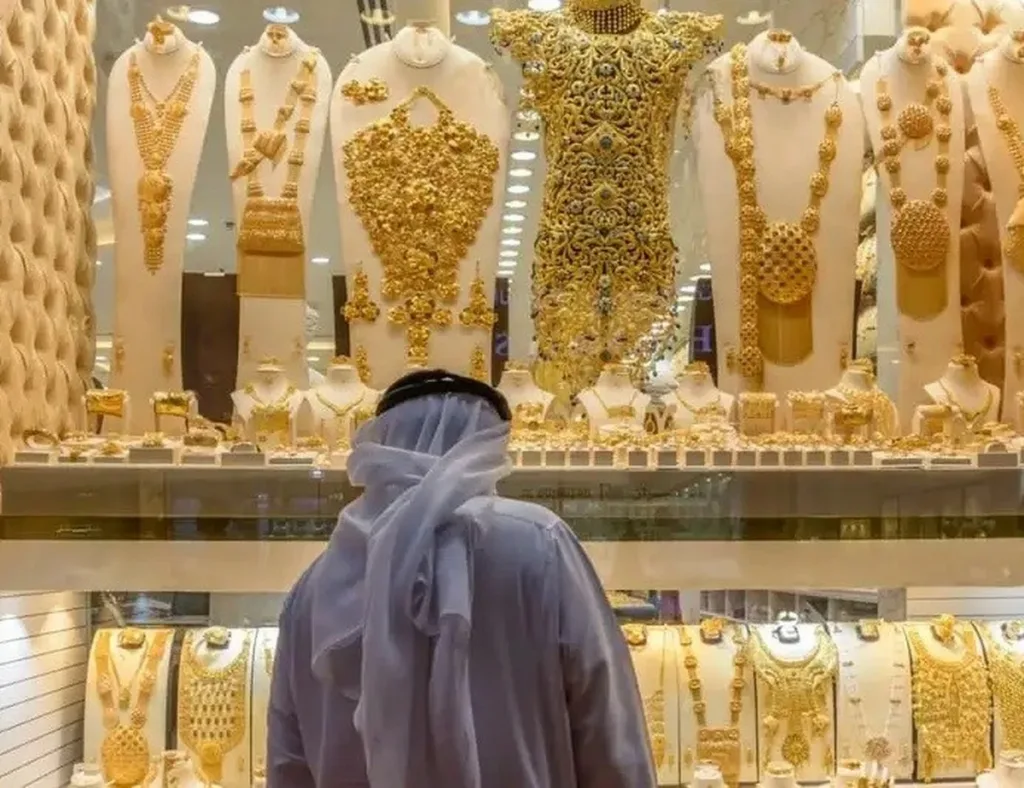
Gold Markets Stabilize Amid US Policy Shifts, GCC Eyes Trends
Background
Gold markets experienced a period of stabilization last week, with the precious metal closing near $4,595 per ounce. This followed a notable decline driven by profit-taking and a shift in geopolitical sentiment. Investors in Kuwait and across the broader GCC region are closely monitoring global economic signals.
Market Context
The recent dip was primarily attributed to investors cashing in on earlier gains, according to a report from Kuwait’s Dar Al-Sabaik Company. Despite this late-week pullback, gold futures for February delivery still recorded an approximate 2.4 percent weekly gain, having touched record highs earlier in the period.
Local Relevance
Initial strength in gold prices stemmed from heightened geopolitical tensions, particularly concerning US statements regarding potential military action. As these concerns eased, the safe-haven appeal of gold diminished, contributing to the subsequent price correction.
Outlook
Robust US economic indicators also exerted downward pressure on gold. Strong industrial production, a resilient labor market, and declining unemployment claims bolstered the US dollar and pushed Treasury yields higher. This dynamic typically reduces the attractiveness of non-yielding assets like gold, impacting investment decisions globally and within the GCC.
Market participants now anticipate the US Federal Reserve will maintain current interest rates at its upcoming meeting. Expectations for significant monetary easing have been pushed back, potentially until mid-2026, influencing investor sentiment across global financial markets.
The global precious metals trends were clearly reflected in the Kuwaiti market. Dar Al-Sabaik reported 24-karat gold trading at approximately 45.420 Kuwaiti dinars per gram, equivalent to around $150. Meanwhile, 22-karat gold stood at 41.630 dinars, or about $137.30 per gram.
Silver prices also remained stable locally, mirroring international momentum, trading at roughly 965 dinars per kilogram, approximately $3,100. These figures are crucial for regional investors and the vibrant jewellery sector in Kuwait, which often mirrors international price movements.
Analysts offer mixed views on gold’s immediate trajectory. Some foresee a temporary correction due to profit-taking and rising yields. Others point to long-term fundamentals, such as high global debt and persistent political uncertainty, as ongoing support for gold prices.
Looking ahead, global markets will keenly watch upcoming US economic data. Key releases include inflation indicators, personal income and spending figures, GDP readings, and purchasing managers’ expectations. These reports, particularly inflation and growth data, will be pivotal in shaping gold’s future path and influencing investment strategies for both institutional and individual investors.

 by
by 


