

China's Green Policy Vision: Economic Implications for GCC
Background
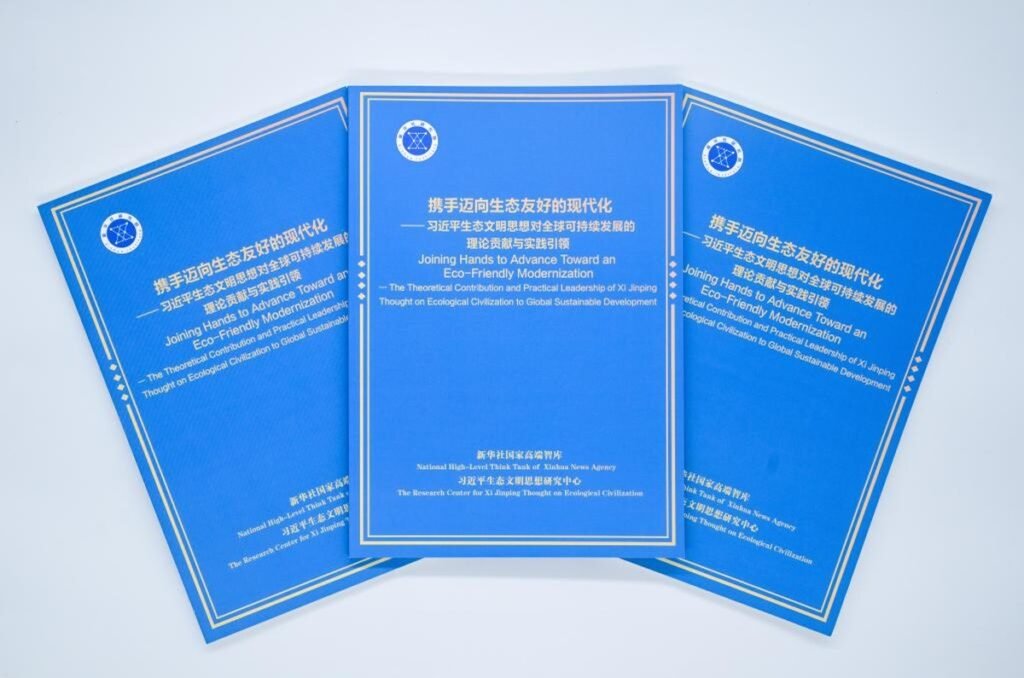
A recent think tank report has brought into focus China's "Ecological Civilization Thought," presenting it as a significant framework for global sustainable development. This philosophy, articulated by President Xi Jinping, aims to offer new pathways for eco-friendly modernization amidst pressing environmental challenges.
Market Context
The analysis, co-authored by Xinhua News Agency's National High-Level Think Tank and the Research Center for Xi Jinping Thought on Ecological Civilization, positions this thought as a deep understanding of human civilization's evolution and global development dynamics. It is described as a comprehensive vision for achieving a cleaner, more prosperous future. The report emphasizes that this framework expands theoretical horizons for sustainable practices worldwide.
Local Relevance
For the GCC region, particularly Kuwait, such policy frameworks carry considerable economic interest. Gulf nations are actively pursuing economic diversification, with substantial investments directed towards renewable energy projects, sustainable urban development, and green technology. This aligns with a global shift towards environmentally conscious investment strategies and green finance.
Outlook
Kuwait's national development agenda, "New Kuwait 2035," explicitly prioritizes sustainability and environmental protection as core pillars. Regional investors are increasingly exploring opportunities in sectors driven by green policies, ranging from smart infrastructure to advanced water management technologies. Understanding international models, like China's approach, can inform local policy decisions and investment strategies in this rapidly evolving landscape.
The report suggests that this ecological thought provides a new pathway for modernization in the contemporary era, offering solutions for global environmental governance. As economies worldwide confront the dual challenges of climate change and resource scarcity, policy frameworks promoting eco-friendly growth will remain central to international discussions. Observing the practical implementation and long-term economic outcomes of such policies in major global economies like China will be crucial for regional finance and investment sectors.

 by
by 


