

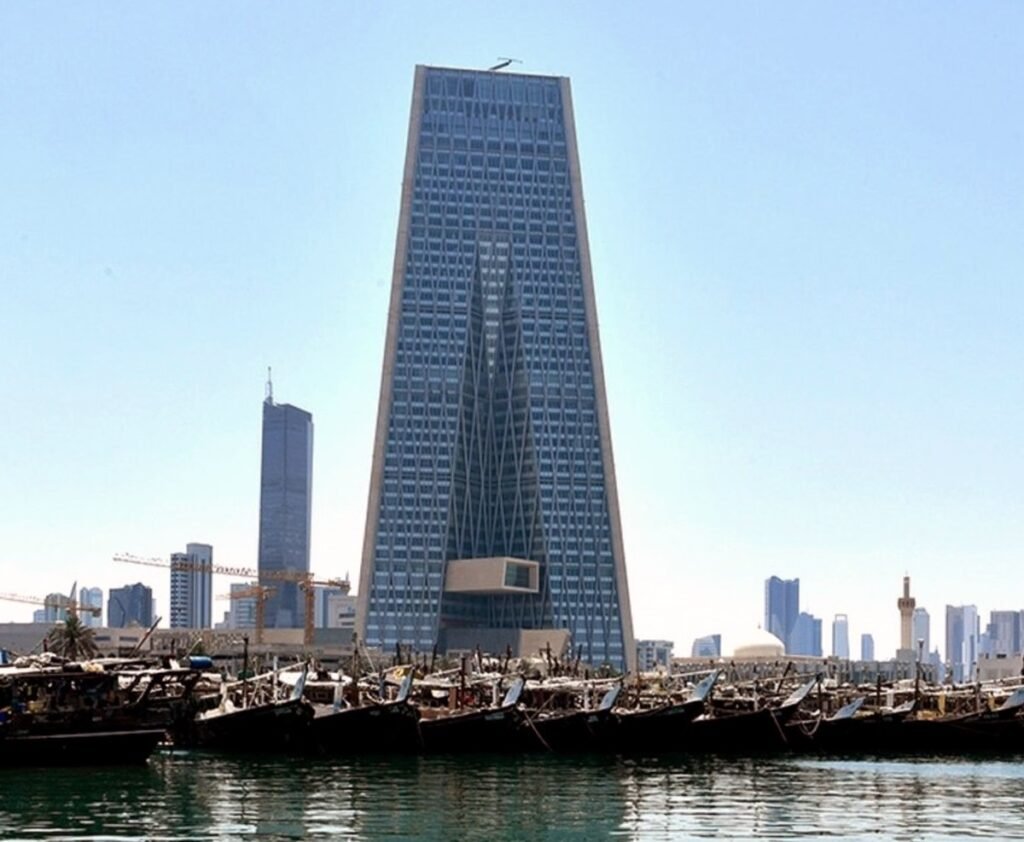
S&P Elevates Kuwait's Credit Rating to AA- Amid Reforms
Background
Standard & Poor’s (S&P) Global Ratings has upgraded Kuwait’s sovereign credit rating from A+ to AA-, maintaining a stable outlook. This positive revision, announced by the Central Bank of Kuwait, reflects significant progress in the nation’s public finance reforms and ongoing efforts towards economic diversification.
Market Context
The upgrade is largely attributed to the Finance and Liquidity Law, enacted in March 2025. This legislation is seen as a crucial step towards establishing comprehensive medium and long-term budget financing arrangements. S&P anticipates further government initiatives to develop a robust medium-term financing plan and expand non-oil revenue streams.
Local Relevance
Kuwait’s Vision 2035 framework underpins these reforms, focusing on economic diversification, modernizing infrastructure, and broadening public revenue sources to enhance fiscal sustainability. The stable outlook underscores S&P’s confidence in Kuwait’s consistently strong fiscal and external balances, bolstered by substantial government financial assets. These assets are expected to mitigate economic risks associated with oil sector reliance and price volatility.
Outlook
Economically, Kuwait recorded 1.3 percent growth in the first half of 2025. S&P projects an acceleration to an average of 2 percent annually between 2025 and 2028, following two years of contraction. This growth is expected to be driven by continued fiscal reforms, increased oil production, and the execution of large-scale capital projects.
Fiscal consolidation measures include a minimum 15 percent additional tax on multinational corporations and efforts to control government spending through more efficient workforce planning. The introduction of the Sukuk Law is also set to diversify the government’s debt structure, aligning with broader GCC trends towards sophisticated financial instruments.
For investors, this improved rating signals a lower risk profile for Kuwait, potentially attracting increased foreign direct investment into key sectors. Significant government investments, such as the development of the northern economic zone and various energy projects, are poised to fuel growth. The hospitality sector is also set to benefit from the expanded Kuwait International Airport, expected by 2027, alongside new visa reforms simplifying entry for GCC residents and international visitors.
While S&P anticipates a medium-term budget deficit due to oil prices and spending, strong current account surpluses and net foreign asset positions remain key credit strengths. The Kuwaiti dinar’s peg to a weighted currency basket is expected to maintain moderate inflation, projected at around 2.4 percent through 2028. The banking sector remains robust, with low credit losses and non-performing loans, supporting an anticipated 8-10 percent loan portfolio growth for major banks in 2025-2026. This reflects Kuwait’s proactive policy measures enhancing its financial resilience and positioning it for sustained economic growth.

 by
by 


